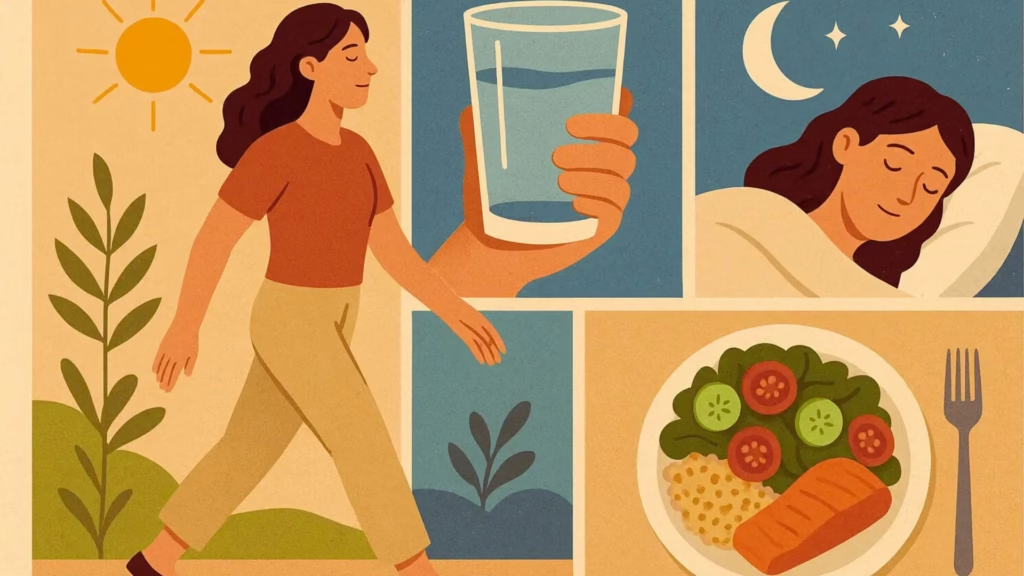
Modern life moves fast. Work, family, responsibilities, and constant digital connection can make stress feel unavoidable. When your schedule is packed, stress often becomes part of daily life. Over time, unmanaged stress can affect your health, focus, and overall happiness.
Reducing stress does not mean slowing life down completely. It means learning how to manage pressure in healthier ways and creating space for balance, even on busy days.

Understand What Causes Your Stress
The first step in reducing stress is understanding what triggers it. Stress looks different for everyone.
Common sources of stress include:
- Heavy workloads
- Lack of time
- Poor sleep
- Constant notifications
- Unclear priorities
Once you identify your main stressors, it becomes easier to address them instead of feeling overwhelmed.
Simplify Your Daily Schedule
Trying to do too much in one day is a common cause of stress. Overloaded schedules leave little room to rest or adjust when things go wrong.
How to Simplify
- Focus on three main priorities per day
- Avoid overbooking your time
- Leave small gaps between tasks
- Learn to say no when necessary
A simpler schedule allows your mind to stay calmer and more focused.
Create Short Daily Breaks
Stress builds when you move from task to task without stopping. Even short breaks can help reset your mind.
Simple break ideas:
- Step away from screens for five minutes
- Take a short walk
- Practice deep breathing
- Stretch your body
Regular pauses prevent burnout and improve concentration.
Move Your Body Regularly
Physical movement is one of the most effective ways to reduce stress. Exercise helps release tension and improves mood.
You do not need long workouts. Even light daily movement helps:
- Walking outdoors
- Stretching
- Light home exercises
- Gentle yoga
Spending time in natural surroundings can also reduce stress. Access to well-kept outdoor spaces, supported by services like Paris Turf, encourages movement and relaxation in a calm environment.
Set Boundaries with Technology
Constant notifications and screen time can increase stress without you realizing it. Digital overload keeps the mind in a state of alertness.
Healthy Technology Habits
- Turn off unnecessary notifications
- Set screen-free times during the day
- Avoid screens before bedtime
- Take breaks from social media
Creating digital boundaries helps reduce mental fatigue.
Improve Sleep Quality
Poor sleep increases stress and makes daily challenges harder to manage. Quality rest supports emotional balance and energy.
Helpful sleep habits include:
- Going to bed at consistent times
- Creating a calming bedtime routine
- Keeping the bedroom quiet and dark
- Avoiding caffeine late in the day
Better sleep improves resilience to stress.
Practice Simple Mindfulness Techniques
Mindfulness does not require long meditation sessions. Small moments of awareness can calm the nervous system.
Easy mindfulness practices:
- Focus on breathing for one minute
- Pay attention while eating
- Notice your surroundings during walks
- Pause before reacting
These small habits help you stay grounded during busy days.
Maintain a Supportive Environment
Your environment affects how you feel. Cluttered or noisy spaces can increase stress levels.
To create a calmer environment:
- Keep your living space organized
- Let in natural light and fresh air
- Reduce clutter gradually
- Create a quiet corner for relaxation
A supportive environment makes it easier to manage daily pressure.
Stay Connected with Others
Stress feels heavier when you handle everything alone. Social connection helps reduce emotional strain.
Ways to stay connected:
- Talk openly with friends or family
- Share responsibilities when possible
- Ask for help when needed
- Spend time with people who support you
Connection improves emotional strength and balance.
Focus on Progress, Not Perfection
Trying to be perfect adds unnecessary pressure. Life will always be busy at times, and that is okay.
Instead of aiming for perfection:
- Accept that some days are harder than others
- Celebrate small improvements
- Adjust habits as life changes
- Be patient with yourself
Reducing stress is about long-term balance, not quick fixes.
Final Thoughts
Reducing stress in a busy lifestyle is about making small, intentional changes that support balance and wellbeing. You do not need to overhaul your entire routine. Simple habits like moving daily, setting boundaries, resting well, and creating a supportive environment can make a real difference.
By managing stress consistently, you protect both your mental and physical health and create more space for calm, even during busy seasons of life.