Long-term health is not built through quick fixes or extreme routines. It is shaped by small daily habits that add up over time. The choices you make each day affect your energy levels, mental clarity, physical strength, and overall quality of life.
The good news is that supporting long-term health does not require complicated plans. Simple, consistent habits can make a meaningful difference and help you feel better now and in the future.
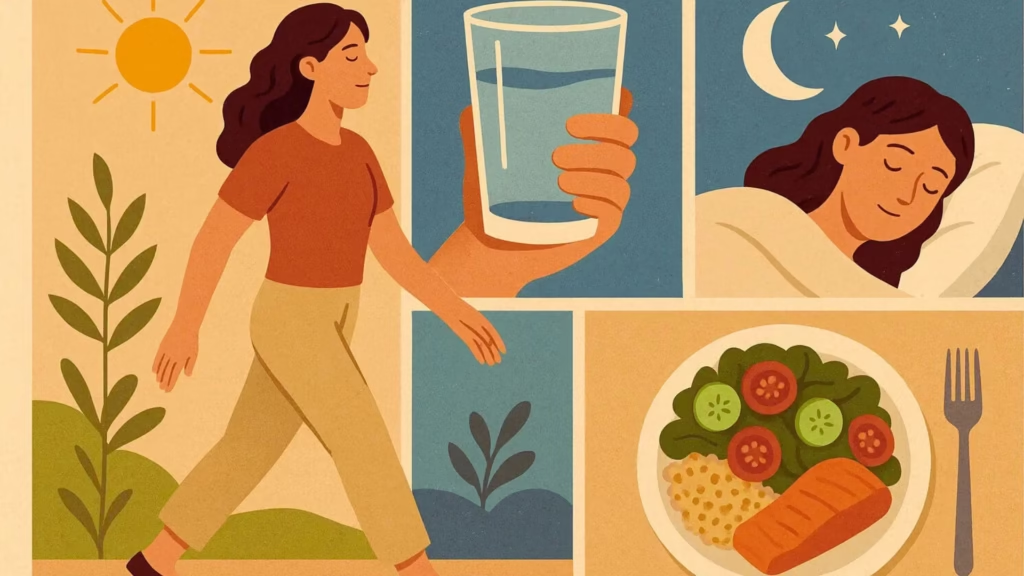
Start Your Day with a Consistent Morning Routine
A stable morning routine helps set the tone for the rest of the day. It creates structure, reduces stress, and improves focus.
Healthy morning habits may include:
- Waking up at the same time each day
- Drinking a glass of water
- Getting natural light early in the day
- Spending a few minutes stretching or moving
Consistency matters more than perfection. Even small actions done daily support long-term well-being.
Move Your Body Every Day
Daily movement is one of the most important habits for long-term health. You do not need intense workouts to stay healthy.
Simple ways to stay active:
- Walking for 20–30 minutes
- Stretching in the morning or evening
- Using stairs instead of elevators
- Doing light strength exercises at home
Regular movement supports heart health, joint mobility, mental clarity, and energy levels.
Spending time outdoors can also encourage physical activity. Well-maintained outdoor spaces, such as those supported by services like Paris Turf, make it easier and more enjoyable to walk, relax, and stay active in a natural environment.
Eat Balanced Meals, Not Perfect Ones
Healthy eating does not mean strict dieting. It means choosing balanced meals most of the time.
Simple eating habits that support health:
- Include fruits and vegetables daily
- Choose whole foods over processed options
- Drink enough water
- Eat regular meals instead of skipping them
Long-term health comes from sustainable choices, not short-term restrictions.
Prioritize Quality Sleep
Sleep is often overlooked, but it plays a major role in physical and mental health. Poor sleep affects immunity, mood, focus, and metabolism.
Healthy sleep habits include:
- Going to bed and waking up at consistent times
- Avoiding screens before bedtime
- Keeping the bedroom quiet and comfortable
- Limiting caffeine later in the day
Good sleep supports recovery and long-term health.
Manage Stress in Healthy Ways
Chronic stress can harm both the body and mind over time. Learning how to manage stress daily is essential for long-term health.
Effective stress management habits:
- Deep breathing or meditation
- Spending time outdoors
- Limiting screen time
- Taking short breaks during the day
Reducing stress improves mental clarity and lowers the risk of long-term health issues.
Stay Socially Connected
Strong social connections are linked to better mental and physical health. Daily interaction, even small moments of connection, supports emotional well-being.
Ways to stay connected:
- Talking with friends or family
- Sharing meals together
- Participating in community activities
- Checking in with loved ones regularly
Healthy relationships support long-term happiness and resilience.
Practice Good Posture and Body Care
Small daily habits related to posture and body care can prevent long-term pain and discomfort.
Helpful habits include:
- Sitting with proper posture
- Stretching after long periods of sitting
- Taking breaks from screens
- Paying attention to body signals
Listening to your body helps prevent injuries and chronic pain.
Keep Your Environment Clean and Supportive
Your environment affects your health more than you may realize. Clean and organized spaces support mental clarity and reduce stress.
Healthy environment habits:
- Keeping living spaces tidy
- Letting in fresh air daily
- Reducing clutter
- Maintaining clean indoor and outdoor areas
A supportive environment makes healthy habits easier to maintain.
Be Consistent with Preventive Care
Long-term health depends on prevention, not just treatment.
Preventive habits include:
- Regular health checkups
- Staying up to date with screenings
- Addressing small health concerns early
- Following medical advice consistently
Early action helps prevent bigger issues later.
Focus on Progress, Not Perfection
One of the most important habits for long-term health is patience. Healthy living is not about doing everything right all the time.
Focus on:
- Making small improvements
- Being consistent rather than strict
- Adjusting habits as life changes
- Being kind to yourself
Progress over time leads to lasting results.
Final Thoughts
Long-term health is built through everyday habits, not major lifestyle changes overnight. Simple actions like moving daily, eating balanced meals, sleeping well, managing stress, and maintaining a healthy environment create a strong foundation for the future.
Start with one habit, build slowly, and stay consistent. Small daily choices today shape your health for years to come.