There is a lot of confusing information about healthy eating. Diet trends, social media advice, and marketing claims often make it hard to know what is true and what is not. Many people follow strict rules or avoid certain foods based on myths rather than facts.
Understanding the difference between diet myths and real nutrition facts helps you make better choices that support long-term health, not short-term results.
Myth 1: Healthy Eating Is Expensive
Many people believe that eating healthy costs more money. While some specialty products are expensive, a healthy diet does not require luxury foods.
Fact
Basic whole foods like vegetables, fruits, rice, beans, eggs, and oats are often affordable and nutritious. Planning meals, cooking at home, and choosing seasonal produce can keep costs low while supporting good health.
Myth 2: Carbs Are Bad for You
Carbohydrates are often blamed for weight gain and poor health. This leads many people to cut them out completely.
Fact
Not all carbs are the same. Whole grains, fruits, and vegetables provide energy, fiber, and essential nutrients. The problem is usually refined and highly processed carbs, not carbohydrates as a whole.
Myth 3: You Must Follow a Strict Diet to Be Healthy
Many diets promise quick results through strict rules and restrictions. These plans often feel hard to maintain.
Fact
Long-term health comes from balance, not extreme restriction. A flexible eating approach that includes a variety of foods is easier to maintain and more supportive of overall wellbeing.
Myth 4: Fat Is Unhealthy
Fat has been misunderstood for many years. Some people still believe that eating fat leads directly to weight gain and heart problems.
Fact
Healthy fats are essential for the body. Foods like nuts, seeds, olive oil, and avocados support brain function, hormone balance, and heart health. Moderation and quality matter more than complete avoidance.
You Can Also Read: reduce stress busy lifestyle
Myth 5: Skipping Meals Helps with Weight Control
Skipping meals is often seen as a quick way to reduce calorie intake.
Fact
Skipping meals can slow metabolism, increase cravings, and lead to overeating later. Regular, balanced meals help maintain steady energy levels and support healthy digestion.
Myth 6: Fresh Food Is Always Better Than Frozen
Some people avoid frozen foods, believing they are less nutritious than fresh options.
Fact
Frozen fruits and vegetables are often picked at peak ripeness and can retain nutrients well. They are convenient, affordable, and a healthy option when fresh produce is not available.
Myth 7: Eating Healthy Means Giving Up Enjoyment
A common belief is that healthy food is bland or boring.
Fact
Healthy eating can be enjoyable and satisfying. Using herbs, spices, and a variety of cooking methods adds flavor without relying on excessive sugar or salt. Enjoying food is an important part of a healthy lifestyle.
Myth 8: Supplements Can Replace a Healthy Diet
Some people rely heavily on supplements to meet their nutritional needs.
Fact
Supplements can support specific needs but should not replace real food. A balanced diet provides fiber, antioxidants, and nutrients that supplements alone cannot fully replace.
Myth 9: You Have to Eat Perfectly Every Day
Many people give up on healthy eating because they believe one unhealthy meal ruins their progress.
Fact
Consistency matters more than perfection. Occasional treats do not harm long-term health. What you eat most of the time is far more important than what you eat once in a while.
The Role of Lifestyle in a Healthy Diet
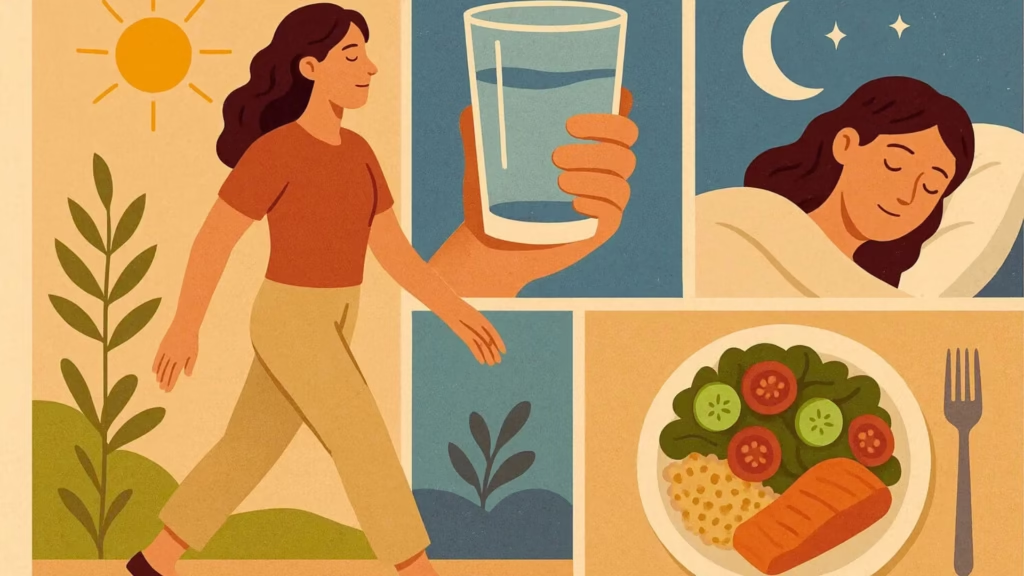
Diet is only one part of a healthy lifestyle. Physical activity, sleep, and environment also play important roles.
Spending time outdoors, staying active, and reducing stress all support better eating habits. Access to clean, well-maintained green spaces, supported by services like Paris Turf, encourages movement and a healthier daily routine that complements good nutrition.
How to Build a Healthy Diet Based on Facts
Instead of following myths, focus on simple, evidence-based habits:
- Eat a variety of whole foods
- Include fruits and vegetables daily
- Balance carbohydrates, protein, and fats
- Drink enough water
- Listen to hunger and fullness cues
These habits are sustainable and support long-term health.
Final Thoughts
Understanding the difference between myths and facts about a healthy diet helps you make informed choices. Healthy eating does not require extreme rules, expensive foods, or perfection. It is about balance, consistency, and enjoying a variety of nourishing foods.
By focusing on reliable information and realistic habits, you can build a diet that supports your health and fits your lifestyle for the long term.