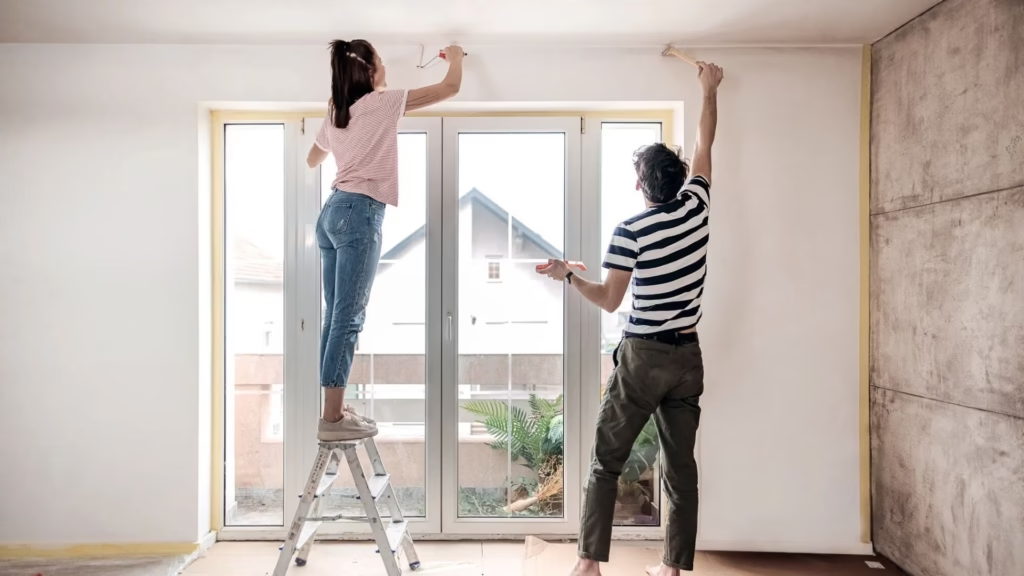
Indoor air quality has a direct impact on your health, comfort, and overall well-being. Since most people spend a large amount of time indoors, breathing clean air at home is just as important as eating healthy food or getting enough sleep.
Poor indoor air quality can cause headaches, allergies, fatigue, breathing problems, and long-term health issues. The good news is that improving the air inside your home does not require expensive equipment or major renovations. Small, consistent changes can make a noticeable difference.
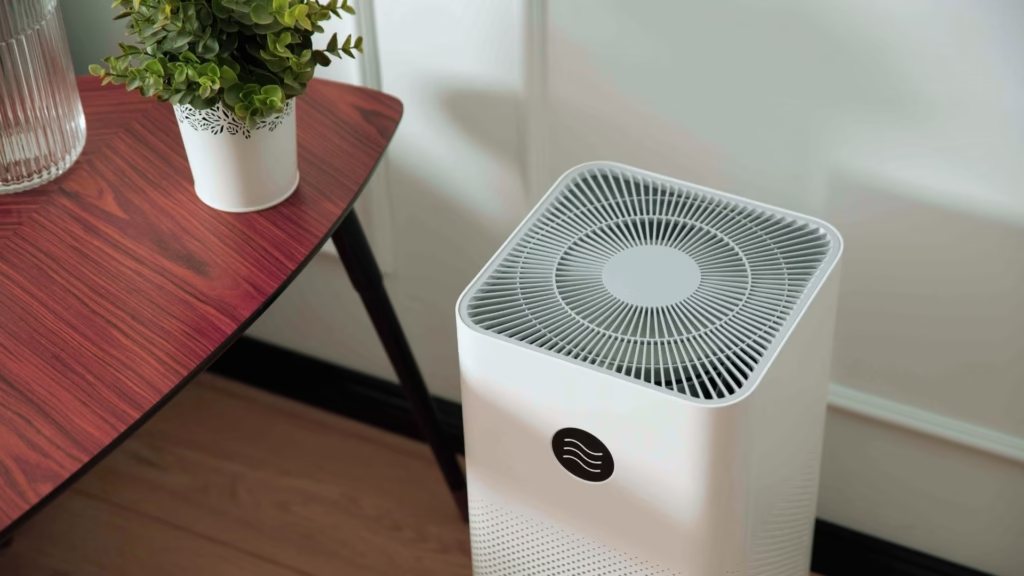
Why Indoor Air Quality Matters
Indoor air can be more polluted than outdoor air due to dust, pet dander, cleaning chemicals, mold, and poor ventilation. Everyday activities like cooking, cleaning, or using scented products release particles into the air.
Improving indoor air quality helps to:
- Reduce allergy and asthma symptoms
- Improve sleep quality
- Lower the risk of respiratory issues
- Create a healthier living space
- Increase comfort and focus
Clean air supports both physical and mental health.
Open Windows for Natural Ventilation
One of the simplest ways to improve indoor air quality is to let fresh air in. Opening windows helps remove stale air and brings in oxygen-rich outdoor air.
How to Do It Safely
- Open windows for 10–15 minutes daily
- Create cross-ventilation by opening windows on opposite sides
- Avoid opening windows during high pollution or pollen hours
Fresh air circulation reduces indoor pollutants and moisture buildup.
Keep Your Home Clean but Not Over-Cleaned
Dust, dirt, and pet hair accumulate quickly, negatively impacting air quality. However, excessive cleaning with harsh chemicals can also release harmful fumes.
Best Practices
- Vacuum regularly using a HEPA filter
- Dust surfaces with a damp cloth
- Wash bedding and curtains often
- Avoid strong chemical cleaners
Choose gentle, low-odor cleaning products to reduce indoor air pollution.
Use Houseplants Wisely
Certain indoor plants can help improve air quality by absorbing pollutants and increasing humidity. While plants are not a replacement for ventilation, they do support cleaner air.
Popular air-friendly plants include:
- Snake plant
- Peace lily
- Spider plant
- Areca palm
Place plants in well-lit areas and avoid overwatering to prevent mold growth.
Change Air Filters Regularly
Dirty air filters trap dust and allergens, which then circulate throughout your home. This is especially important for homes with pets or individuals with allergies.
Filter Maintenance Tips
- Change HVAC filters every 1–3 months
- Clean vents and air returns
- Keep furniture away from vents
Clean filters improve airflow and indoor air quality.
Reduce Indoor Humidity
Too much moisture in the air encourages mold growth and dust mites. High humidity also makes the air feel heavy and uncomfortable.
Ways to Control Humidity
- Use exhaust fans in kitchens and bathrooms
- Fix leaks quickly
- Use a dehumidifier if needed
- Keep indoor humidity between 30–50 percent
Balanced humidity supports healthier air and protects your home.
Avoid Synthetic Fragrances and Air Fresheners
Many air fresheners, candles, and scented sprays contain chemicals that pollute indoor air. These products often mask odors rather than remove them.
Better Alternatives
- Use natural ventilation
- Choose essential oils in moderation
- Keep trash covered and emptied regularly
- Clean odor sources directly
Fresh air and cleanliness are more effective than artificial scents.
Pay Attention to Outdoor Areas
Outdoor spaces can affect indoor air quality, especially when dirt, pollen, or chemicals are brought inside. Well-maintained lawns and green spaces help reduce airborne pollutants around your home.
Professional outdoor care services like Paris Turf help maintain healthy landscapes, which can contribute to cleaner surrounding air and reduce allergens entering the home.
Keep Shoes and Pollutants Outside
Shoes bring dirt, pollen, and chemicals indoors. These particles settle into carpets and furniture, affecting air quality.
Simple Habit Changes
- Remove shoes at the door
- Use entryway mats
- Store cleaning chemicals securely
- Keep garages well-ventilated
Small habits help keep pollutants from spreading indoors.
Avoid Smoking Indoors
Indoor smoking significantly reduces air quality and leaves harmful residue on surfaces. Smoke particles linger long after the smell fades.
If smoking cannot be avoided, always do it outdoors and away from open windows or doors.
Maintain Your Home Regularly
Routine home maintenance plays a key role in indoor air quality. Mold, leaks, clogged vents, and poor insulation all affect the air you breathe.
Regular checks help prevent hidden issues that damage air quality over time.
Final Thoughts
Improving indoor air quality does not require complicated solutions. Simple habits like opening windows, keeping your home clean, changing filters, and reducing indoor pollutants can make a big difference.
Clean air helps you breathe easier, sleep better, and feel more comfortable at home. Start with one or two changes today, and build healthier habits over time. A cleaner home environment leads to a better quality of life.