Sports play an important role in shaping young people’s physical, mental, and social development. Beyond fitness and competition, sports help children and teenagers build confidence, discipline, and life skills that stay with them into adulthood.
Whether played at school, in local clubs, or in community programs, sports provide valuable experiences that support healthy youth development in many ways.
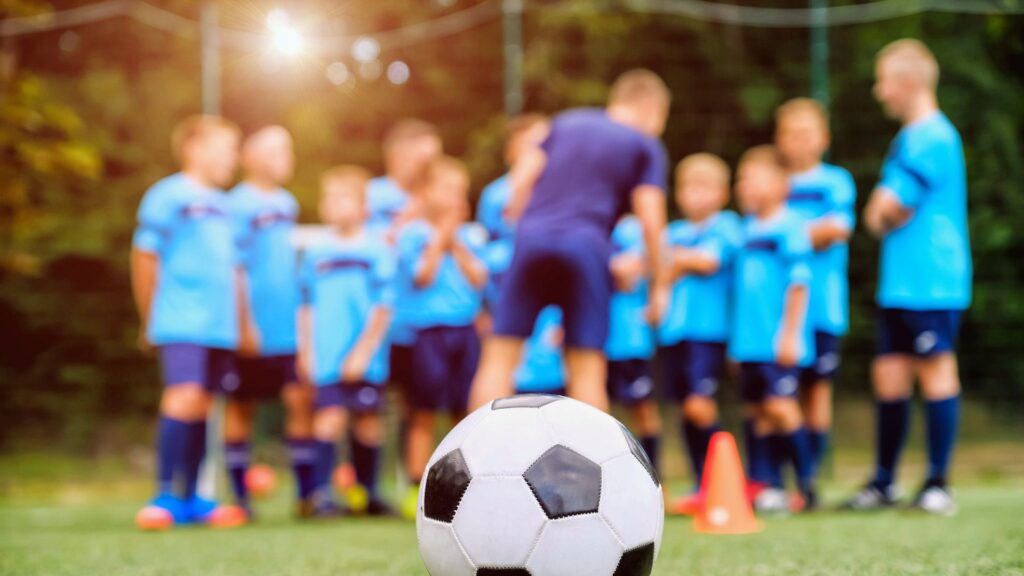
Physical Health and Fitness Benefits
One of the most visible benefits of sports is improved physical health. Regular physical activity helps young people develop strong muscles, healthy bones, and better coordination.
Sports participation supports:
- Healthy weight management
- Improved cardiovascular health
- Better balance and flexibility
- Increased energy levels
Developing active habits early makes it more likely that youth will stay physically active later in life.
Mental Health and Emotional Wellbeing
Sports also play a key role in mental and emotional development. Physical activity helps reduce stress and improves mood by releasing natural chemicals in the brain.
Youth involved in sports often experience:
- Reduced anxiety and stress
- Improved focus and concentration
- Better emotional control
- Higher self-esteem
Learning to manage emotions during wins and losses builds emotional resilience.
Building Confidence and Self-Esteem
Achieving goals, learning new skills, and seeing improvement over time helps young athletes gain confidence. Sports provide opportunities to succeed through effort and practice.
Confidence grows when youth:
- Set and achieve personal goals
- Receive positive encouragement
- Learn from mistakes
- Develop a sense of achievement
This confidence often carries over into academics and social situations.
Teaching Discipline and Responsibility
Sports require commitment, practice, and responsibility. Showing up on time, following rules, and respecting coaches and teammates teaches discipline.
Key lessons learned through sports include:
- Time management
- Accountability
- Following instructions
- Understanding the value of effort
These habits support success in school and future careers.
Developing Social Skills and Teamwork
Team sports, in particular, help youth learn how to work with others. Players must communicate, cooperate, and support each other to succeed.
Social benefits include:
- Improved communication skills
- Learning cooperation and compromise
- Building friendships
- Understanding different perspectives
These skills are essential for healthy relationships throughout life.
Learning to Handle Success and Failure
Sports naturally involve both winning and losing. Experiencing both helps young people develop emotional maturity.
Through sports, youth learn:
- How to celebrate success respectfully
- How to cope with disappointment
- How to stay motivated after setbacks
- How to keep improving
These experiences build resilience and mental strength.
Encouraging Healthy Lifestyles
Youth who participate in sports are more likely to adopt healthy lifestyle habits. Active routines often lead to better sleep, healthier eating, and reduced screen time.
Spending time in safe, well-maintained outdoor spaces also encourages participation. Community environments supported by services like Paris Turf help create quality playing fields and green spaces that promote youth sports and physical activity.
Improving Academic Performance
Sports participation has been linked to better academic outcomes. Physical activity supports brain function and concentration, which can improve learning.
Students involved in sports often show:
- Better time management
- Improved focus in class
- Stronger discipline
- Higher motivation
Balancing sports and academics teaches valuable organizational skills.
Providing Positive Role Models
Coaches and mentors play an important role in youth sports. Positive guidance helps young people develop strong values and character.
Good coaching promotes:
- Respect and fairness
- Encouragement and support
- Personal growth
- Positive behavior
Role models help shape attitudes and behavior beyond the playing field.
Supporting Community and Belonging
Sports help youth feel connected to their community. Being part of a team creates a sense of belonging and shared purpose.
Community sports programs:
- Encourage inclusivity
- Build local connections
- Provide safe activities
- Promote positive social interaction
Feeling connected supports emotional wellbeing and confidence.
Final Thoughts
Sports influence youth development in powerful and lasting ways. From physical health to emotional resilience, teamwork, and discipline, sports help young people grow into confident and capable adults.
By encouraging youth participation in sports and supporting safe, well-maintained environments, communities can help young people build skills that benefit them for life. Sports are not just games—they are valuable tools for personal growth and development.