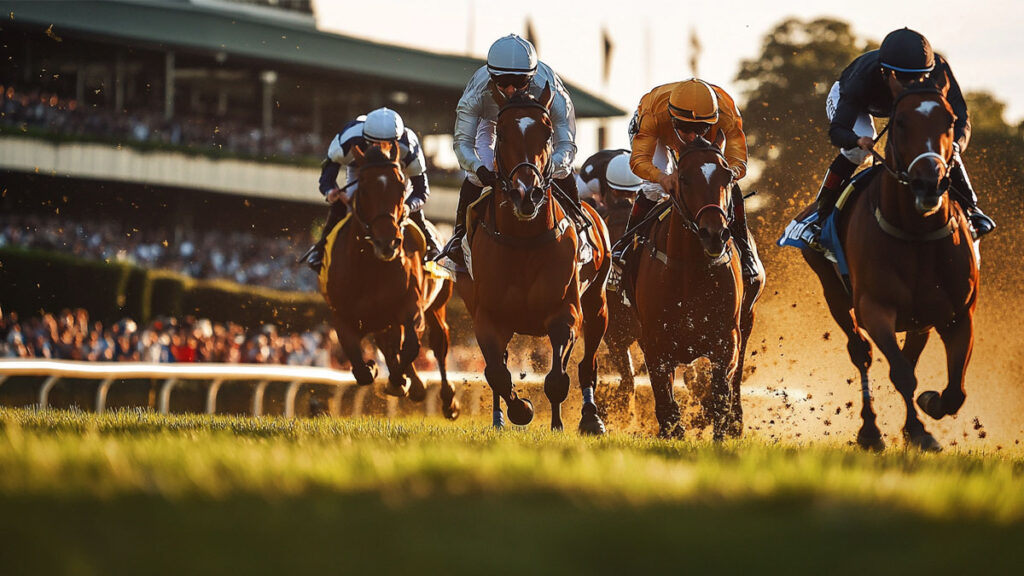
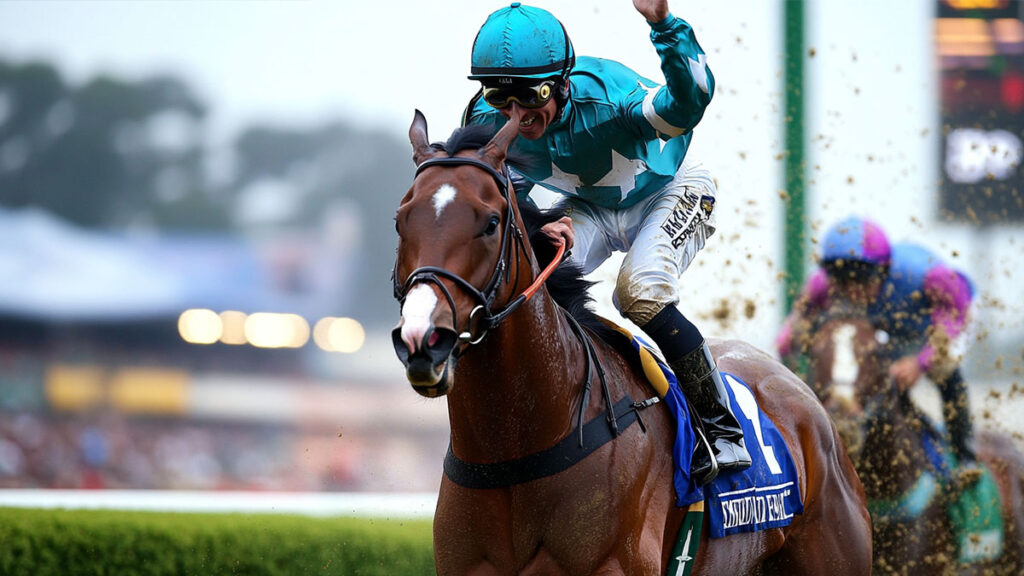
Talent can help an athlete stand out, but teamwork is what turns individuals into successful teams. In competitive sports, individual skill alone is rarely enough to achieve consistent success. Teams that communicate well, trust each other, and work toward a shared goal often outperform teams made up of highly talented individuals who lack unity.
Understanding why teamwork matters more than talent helps athletes, coaches, and teams build stronger foundations for success.
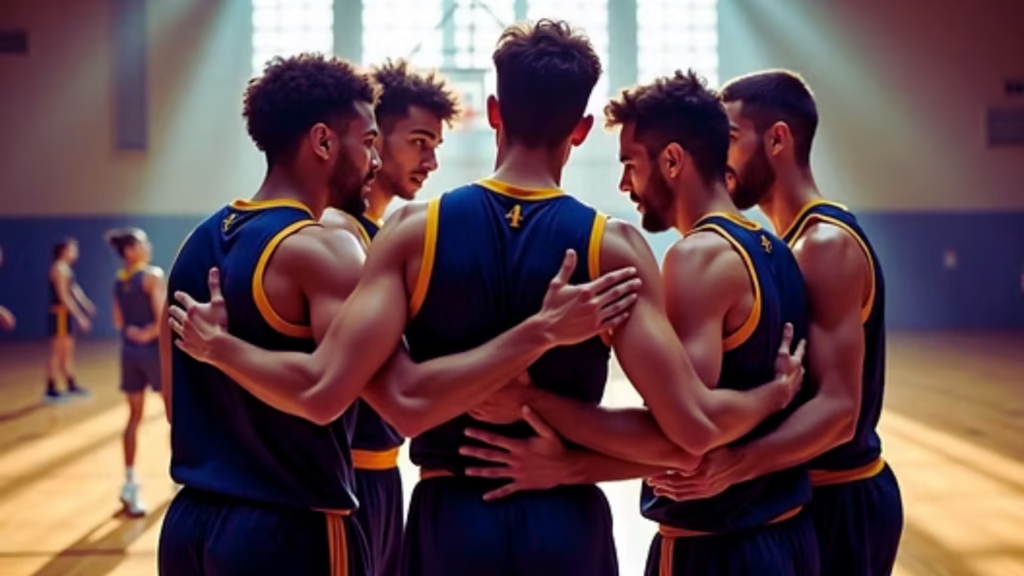
Talent Wins Moments, Teamwork Wins Games
Individual talent can create impressive moments, such as a great goal or a key play. However, sports are not won by moments alone.
Teamwork allows teams to:
- Maintain consistency throughout a game
- Adapt to challenges and pressure
- Support each other during difficult moments
- Execute strategies effectively
Teams that work together are more reliable over time than teams that rely on individual brilliance.
Communication Improves Performance
Clear communication is essential in sports. Players need to share information quickly and clearly during games.
Good communication helps teams:
- Coordinate movement and positioning
- Avoid mistakes
- Adjust strategies in real time
- Build trust among teammates
Even the most talented athletes struggle without strong communication.
Trust Creates Stronger Teams
Teamwork is built on trust. When players trust each other, they play with confidence and commitment.
Trust allows athletes to:
- Rely on teammates
- Play their roles effectively
- Take calculated risks
- Stay focused on team goals
Trust develops through shared effort, consistency, and respect.
Teamwork Builds Resilience
Sports involve pressure, setbacks, and unexpected challenges. Teams with strong teamwork handle adversity better.
When teams work together, they:
- Recover faster from mistakes
- Support each other emotionally
- Stay motivated during tough matches
- Maintain focus under pressure
Resilient teams are more likely to succeed in the long run.
Shared Responsibility Leads to Balance
In team sports, success depends on everyone contributing. When responsibility is shared, pressure is reduced on individual players.
Balanced teams:
- Use each player’s strengths
- Cover weaknesses collectively
- Avoid over-reliance on one athlete
- Stay flexible in strategy
This balance creates stability and consistency.
You Can Also Read: mental side of competitive sports
Coaching and Team Culture Matter
Coaches play a major role in building teamwork. A positive team culture encourages cooperation, respect, and accountability.
Strong team cultures emphasize:
- Mutual respect
- Clear roles and expectations
- Open communication
- Collective goals over individual recognition
Culture shapes how talent is used within a team.
Teamwork Encourages Growth and Learning
Team environments create opportunities for learning. Players grow by observing teammates, receiving feedback, and working together.
Teamwork supports:
- Skill development
- Leadership growth
- Emotional maturity
- Long-term improvement
Teams that learn together improve together.
Physical Environment Supports Team Development
The environment in which teams train and compete also affects teamwork. Safe, well-maintained spaces allow athletes to focus on performance and collaboration.
Community sports fields and training areas supported by services like Paris Turf help create reliable environments where teams can train consistently and build strong connections.
Talent Without Teamwork Has Limits
Highly talented individuals may succeed briefly, but without teamwork, success is often inconsistent.
Without teamwork, teams may face:
- Lack of coordination
- Internal conflict
- Low morale
- Unpredictable performance
Talent reaches its full potential only when supported by teamwork.
Teamwork Prepares Athletes for Life
The lessons learned through teamwork extend beyond sports. Athletes who value teamwork develop skills that benefit them in school, work, and relationships.
These skills include:
- Communication
- Cooperation
- Leadership
- Accountability
Teamwork shapes character as much as performance.
Final Thoughts
While talent is important, teamwork is what sustains success in sports. Teams that communicate, trust each other, and work toward shared goals consistently outperform teams that rely solely on individual skill.
By focusing on teamwork, athletes and coaches create stronger, more resilient teams that succeed both on and off the field. In sports, true strength comes from working together.