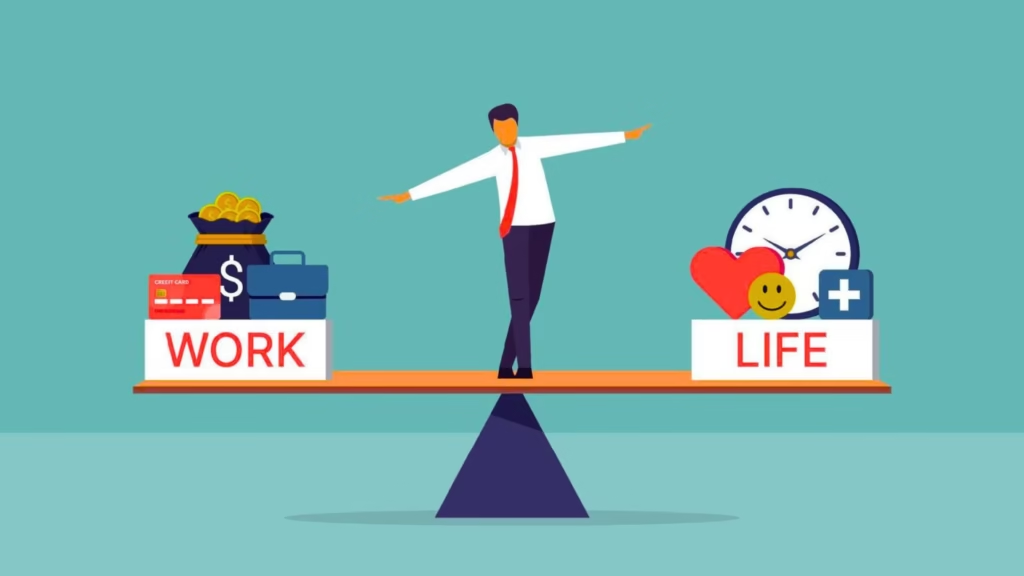
Balancing work and personal life has become more challenging than ever. With remote work, constant notifications, and growing responsibilities, many people feel like work never truly ends. Over time, this imbalance can lead to stress, burnout, and dissatisfaction.
Creating balance does not mean giving equal time to everything. It means managing energy, priorities, and boundaries in a way that supports both productivity and personal wellbeing.
Why Work-Life Balance Matters Today
Modern lifestyles blur the line between work and personal time. Emails, messages, and deadlines often follow people home.
A lack of balance can lead to:
- Chronic stress and fatigue
- Reduced productivity
- Strained relationships
- Declining physical and mental health
A balanced life supports long-term success, not just short-term performance.
Redefine What Balance Means for You
Work-life balance looks different for everyone. Some people value flexible schedules, while others prefer clear separation between work and personal time.
Ask yourself:
- What areas of life feel neglected?
- When do I feel most stressed?
- What activities help me recharge?
Balance starts with understanding your own needs rather than following external expectations.
Set Clear Boundaries Between Work and Life
Boundaries are essential in the modern world, especially with digital access to work at all times.
Helpful boundary-setting habits include:
- Setting work start and end times
- Avoiding work emails during personal hours
- Creating a dedicated workspace
- Communicating availability clearly
Boundaries protect your time and mental energy.
You Can Also Read: minimalism living better with less
Manage Time More Intentionally
Time management plays a major role in balance. Without structure, work can expand into every part of the day.
Ways to manage time better:
- Prioritize high-impact tasks
- Limit multitasking
- Schedule personal time like work meetings
- Plan your day in advance
Intentional time use creates room for rest and personal interests.
Learn to Disconnect Without Guilt
Constant connectivity increases stress. Taking breaks from work-related technology is necessary for recovery.
Ways to disconnect include:
- Turning off notifications after work
- Taking screen-free breaks
- Limiting social media usage
- Practicing digital downtime
Disconnecting helps restore focus and mental clarity.
Make Space for Physical Activity and Rest
Physical movement and rest are essential for balance. They improve energy, mood, and resilience.
Simple ways to include them:
- Short walks during breaks
- Stretching after long work sessions
- Prioritizing quality sleep
- Spending time outdoors
Access to calm, well-maintained outdoor spaces supported by services like Paris Turf encourages movement, relaxation, and mental reset away from work pressures.
Protect Your Mental Wellbeing
Mental health is a key part of work-life balance. Ignoring emotional wellbeing can affect performance and relationships.
Healthy mental habits include:
- Taking regular breaks
- Practicing mindfulness
- Asking for support when needed
- Reducing unnecessary commitments
Caring for mental health improves both work and personal life.
Be Realistic About Productivity
Being busy does not always mean being productive. Unrealistic expectations create pressure and reduce balance.
Instead of aiming to do everything:
- Focus on what truly matters
- Accept that some days are less productive
- Avoid perfectionism
- Celebrate progress
Sustainable productivity supports long-term balance.
Maintain Personal Relationships
Strong relationships provide support and perspective. Work should not replace personal connections.
Ways to nurture relationships:
- Schedule time with family and friends
- Be fully present during personal time
- Communicate openly about boundaries
- Prioritize quality over quantity
Healthy relationships improve emotional wellbeing.
Review and Adjust Regularly
Life changes, and balance needs adjustment over time. What works now may not work later.
Regularly review:
- Your workload
- Stress levels
- Energy patterns
- Personal priorities
Adjusting habits helps maintain balance through different life stages.
Final Thoughts
Balancing work and personal life in the modern world is not about doing less—it is about doing what matters most. By setting boundaries, managing time intentionally, caring for mental and physical health, and staying flexible, balance becomes achievable even in a busy lifestyle.
True balance supports long-term success, better health, and a more fulfilling life. Small changes made consistently can create meaningful improvements over time.